01
Agreed-value hull
A total loss pays the figure written on the schedule, with no depreciation applied. Above roughly $1M of hull value, agreed value versus actual cash value is the whole policy.
Trusted by owners
Cumulative results across Car Concierge Pro and AiM services since 2019. Average annual saving is per negotiated policy. Individual results vary.
What AiM does for you
Yacht cover is written as a schedule of limits, not a single price, which is why two quotes on the same vessel are almost never comparable. We put one identical schedule in front of every underwriter and negotiate the rate against it.
Working out what yacht insurance should cost per year, or what agreed value really buys you? Start with the savings calculator and the FAQs below. Under 65 feet, our boat program is usually the better fit.
If the schedule has not changed but the rate has, why your boat or yacht insurance went up sets out what moves a marine renewal, and why your insurance renewal went up when nothing changed is the same argument without the marine specifics.
On a yacht the clauses carry more of the price than the rate does: agreed value versus actual cash value on a hull policy decides what a total loss pays, when a marine survey is required and what it changes decides whether you can shop at all, and navigational limits and named-storm haul-out clauses plus how a lay-up period changes a boat insurance premium are where a cheaper schedule usually turns out to be a narrower one. Reading them against your own document is how to compare a renewal against last year’s declarations page.
A total loss pays the figure written on the schedule, with no depreciation applied. Above roughly $1M of hull value, agreed value versus actual cash value is the whole policy.
Protection and indemnity for third parties, plus the crew section. Anyone paid to work aboard brings Jones Act exposure with them, so we read the crew list against the wording.
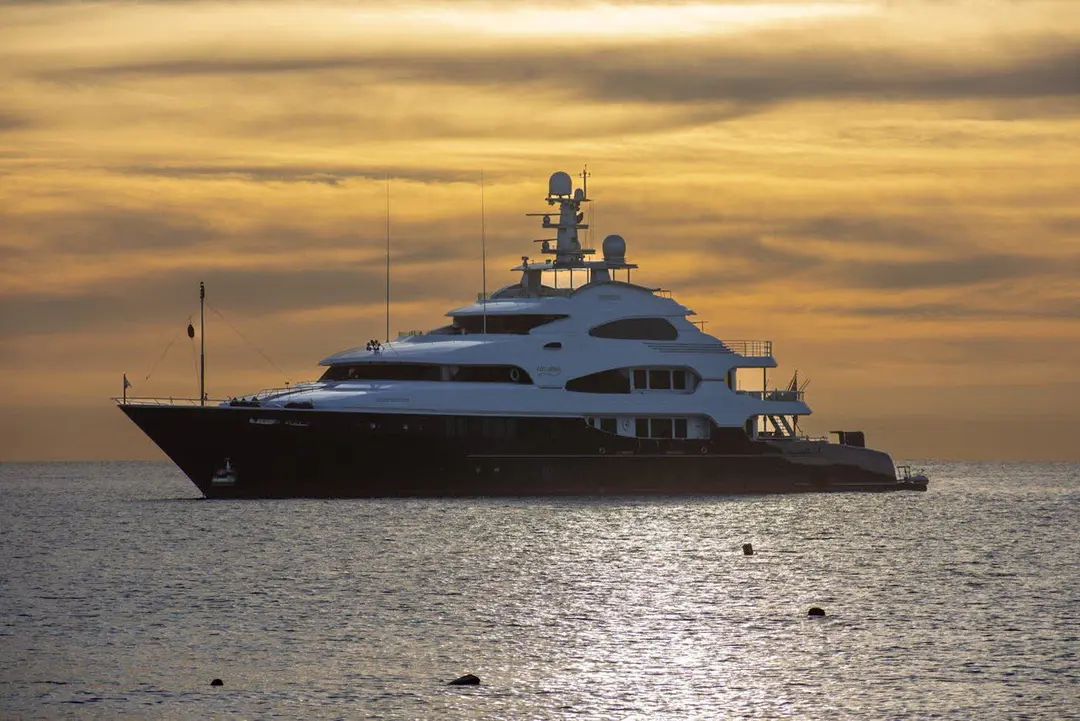
Cruising limits, seasonal lay-up credits, hurricane haul-out requirements and named-storm deductibles set as a percentage of hull value rather than a flat figure.
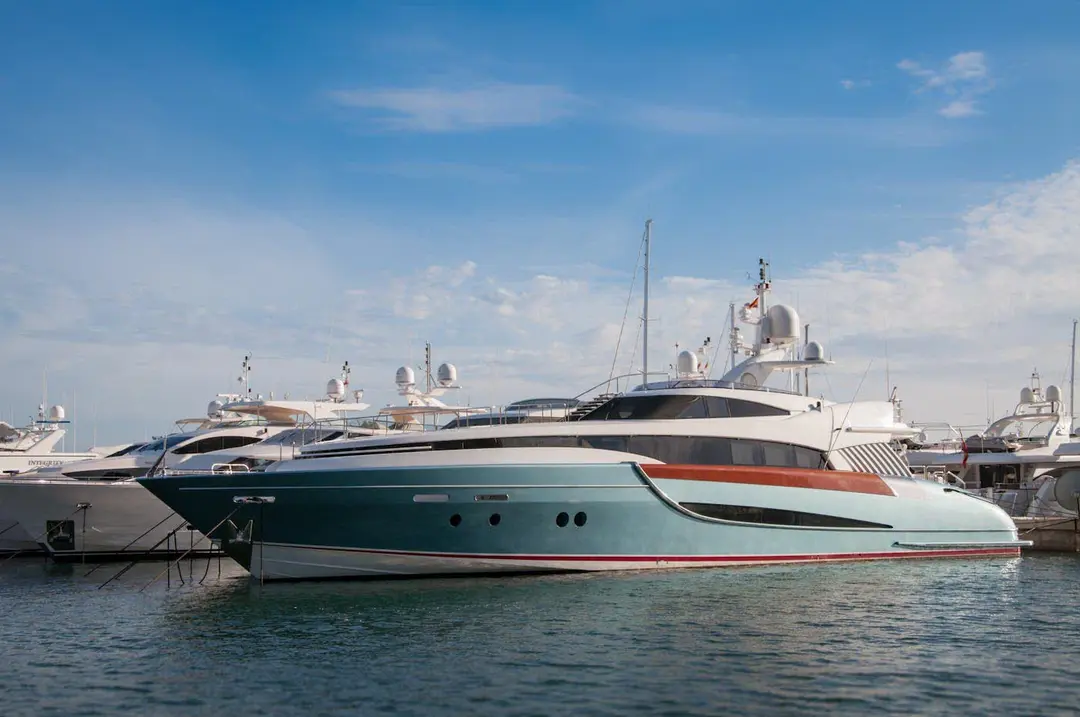
Tenders, toys and dive gear scheduled at the right values, with salvage and wreck-removal limits that sit outside the hull limit instead of consuming it.
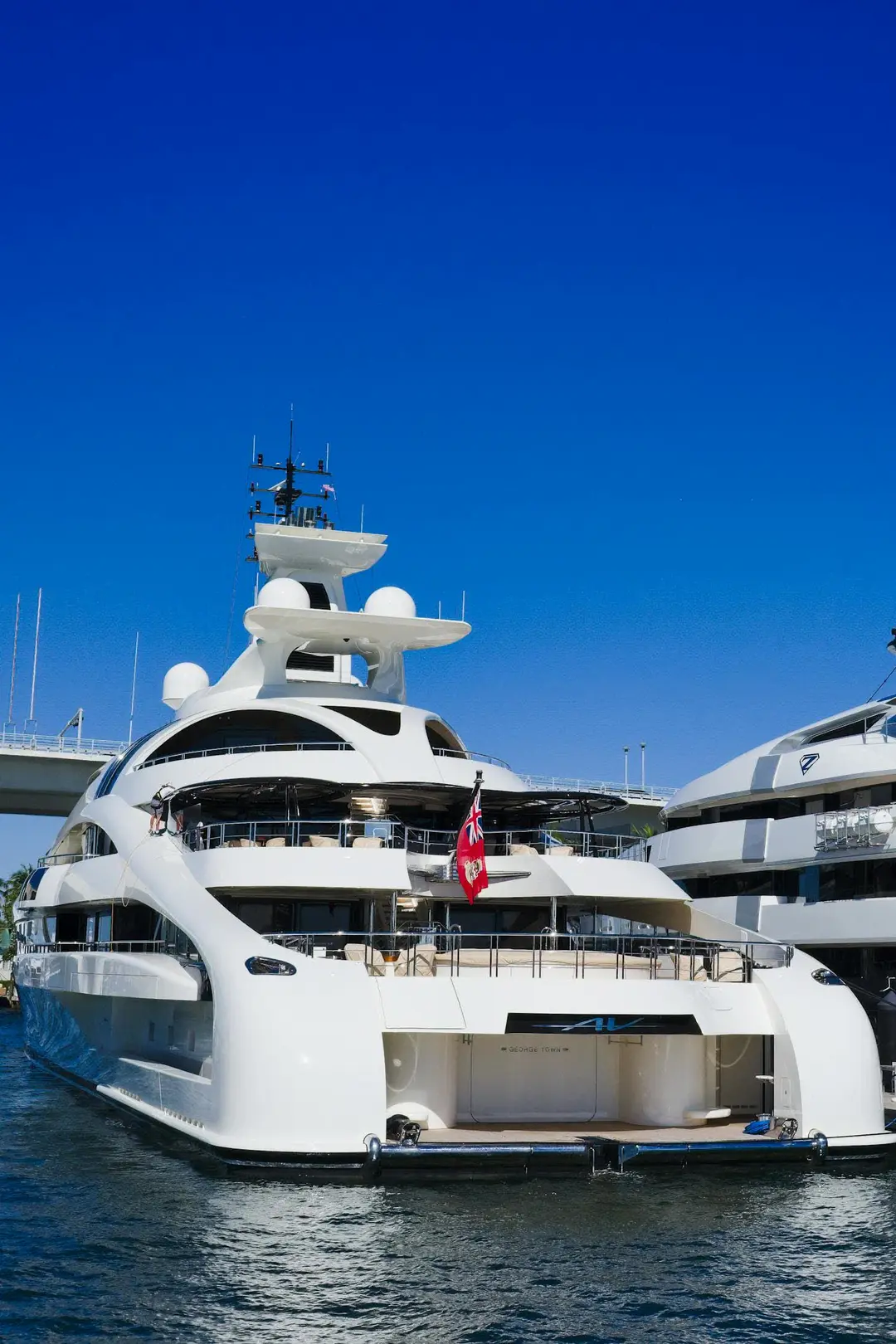
Why does this matter?
Because a yacht policy is quoted as a percentage of insured hull value, the rate is what moves the bill. On a $2M hull, the difference between a 1% and a 2% rate is $20,000 a year on documents that read almost identically.
Deductible structure, named-storm terms, lay-up credits and navigation limits all move that rate, and none of them are volunteered at renewal. Put your own numbers into the premium calculator before your next renewal date.
Pricing
Our pricing is built around the savings we deliver. You only pay when you benefit, and the terms are the same on every page of this site.
No savings, no fee
No retainer, no consultation fee, nothing to cancel.
Success-based
Charged once, on what we actually save you in year one.
New-policy placement
Only where there is no existing premium to negotiate against — a first car, a newly closed home, a newly bought boat.
25% of first-year savings · $149 flat fee for new-policy placement · $0 if we find no savings
Fleet, charter or multiple vessels? Request a dedicated concierge.
How it works
From your policy schedule to a side-by-side comparison sitting in your inbox. We do the work; you decide what to do with the savings.
Step 01
Your current policy schedule, hull value, last survey date and cruising area. Five minutes, no card.
Step 02
The same schedule of limits goes to every yacht underwriter: agreed-value hull, P&I, crew, navigation limits, priced side by side.
Step 03
One page: rate as a percentage of hull value, deductibles, named-storm terms and lay-up credits, in plain English.
Step 04
Renegotiate with your existing underwriter or move. We prepare the forms and line up effective dates so cover never lapses.
Ready when you are
Trusted by owners
Yacht renewals arrive as a single number with no working shown. Owners across the USA and Canada let AiM take the schedule back to the market each year and negotiate the rate rather than accept it.
Cumulative results across Car Concierge Pro and AiM services since 2019. Average annual saving is per negotiated policy. Individual results vary.
Frequently asked
Yacht policies are quoted as a percentage of the insured hull value, commonly in the range of 1% to 5% a year. Where you land depends on hull value and age, cruising area, whether you run paid crew, the deductible you accept and your claims history. A yacht kept in a named-storm zone and cruised year-round prices very differently from the same hull laid up ashore for six months.
An agreed-value policy pays the figure written on the schedule if the vessel is a total loss, with no depreciation applied. An actual cash value policy pays what an adjuster decides the yacht was worth on the day of loss, which on a vessel above roughly $1M can be hundreds of thousands of dollars less. Checking which basis your policy is written on is the first thing we do.
If anyone is paid to work aboard, yes. Paid crew generally fall outside a standard employers' liability arrangement and belong in the protection and indemnity (P&I) section, with Jones Act exposure sitting behind it for seamen. An owner-operated yacht with no paid crew does not need it. We check the crew list against the P&I wording rather than assuming.
Only on the terms written into your policy. Policies covering Florida, the Gulf and the Caribbean typically carry a named-storm deductible set as a percentage of hull value, navigation limits that move you out of the box for part of the season, and a written named-storm plan you are required to follow. Lay-up warranties can earn a real credit when you actually use them. All three are negotiable.
Usually only if they are scheduled. Tenders, jet skis and dive equipment are listed separately, and an under-insured or entirely missing tender is one of the most common gaps we find. Salvage and wreck removal should also carry their own limit: when they sit inside the hull limit, a single grounding can consume the cover before repairs even start.
Roughly above 65 feet the market changes: yacht underwriters, survey requirements, crew questions and worldwide navigation limits. Below that, our boat program is normally the better fit and the cheaper one. We will tell you which side of the line you are on before quoting.
More from AiM
One team. Same negotiation playbook. Better premiums on every policy in your life: auto, home, marine, aviation.
Still weighing it up? Read exactly what we charge, what recent clients saved, or how negotiating compares with doing it yourself, an agent or a comparison site.
$0 if we find no savings · reply in 24 hours